


Overview
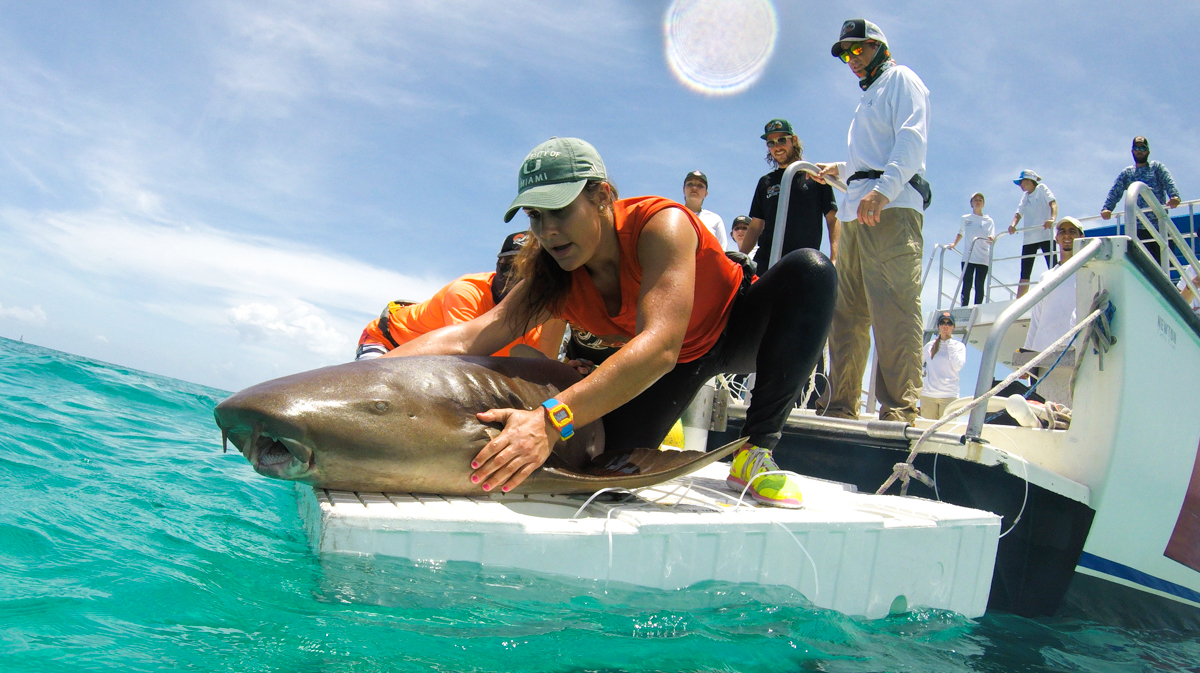
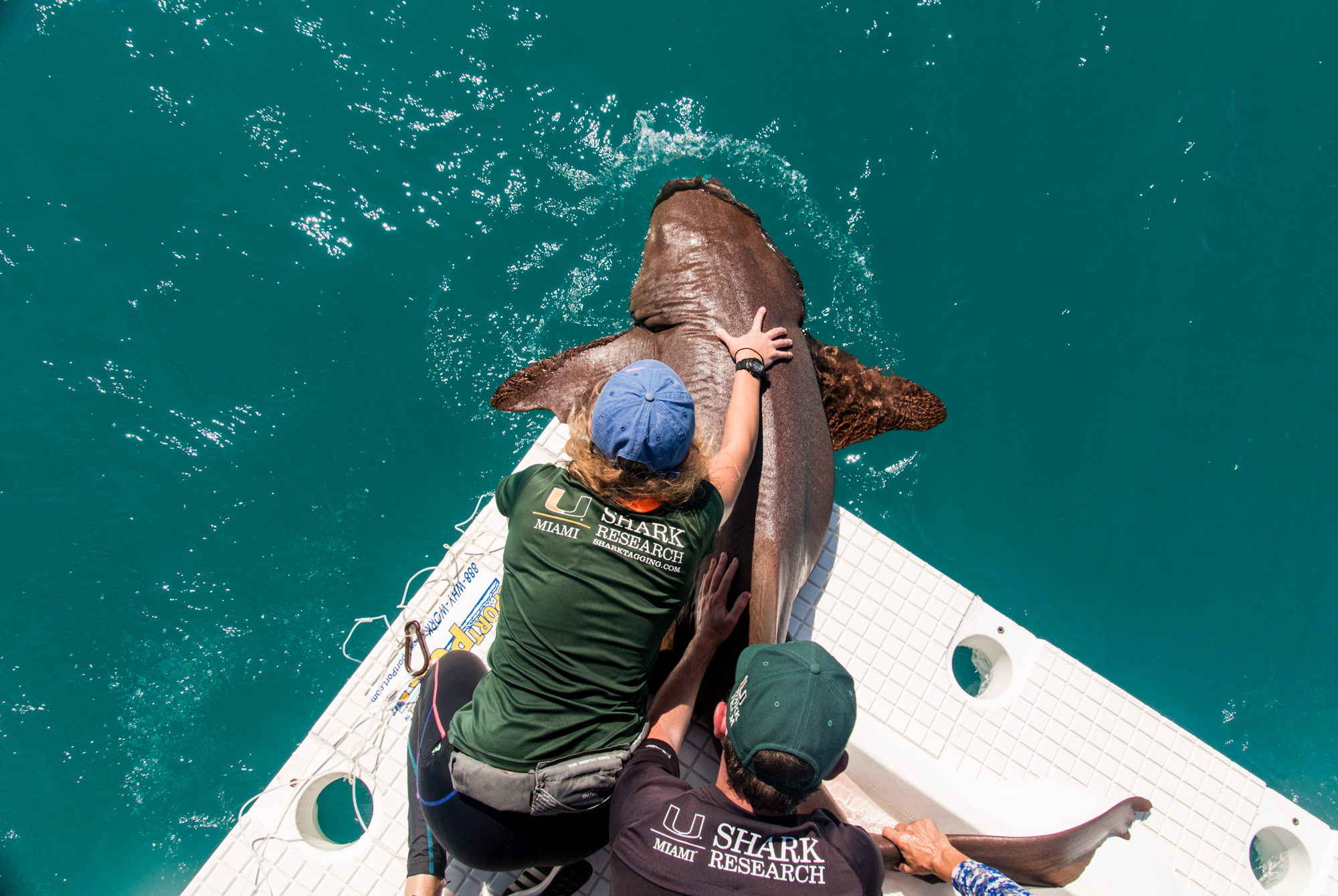
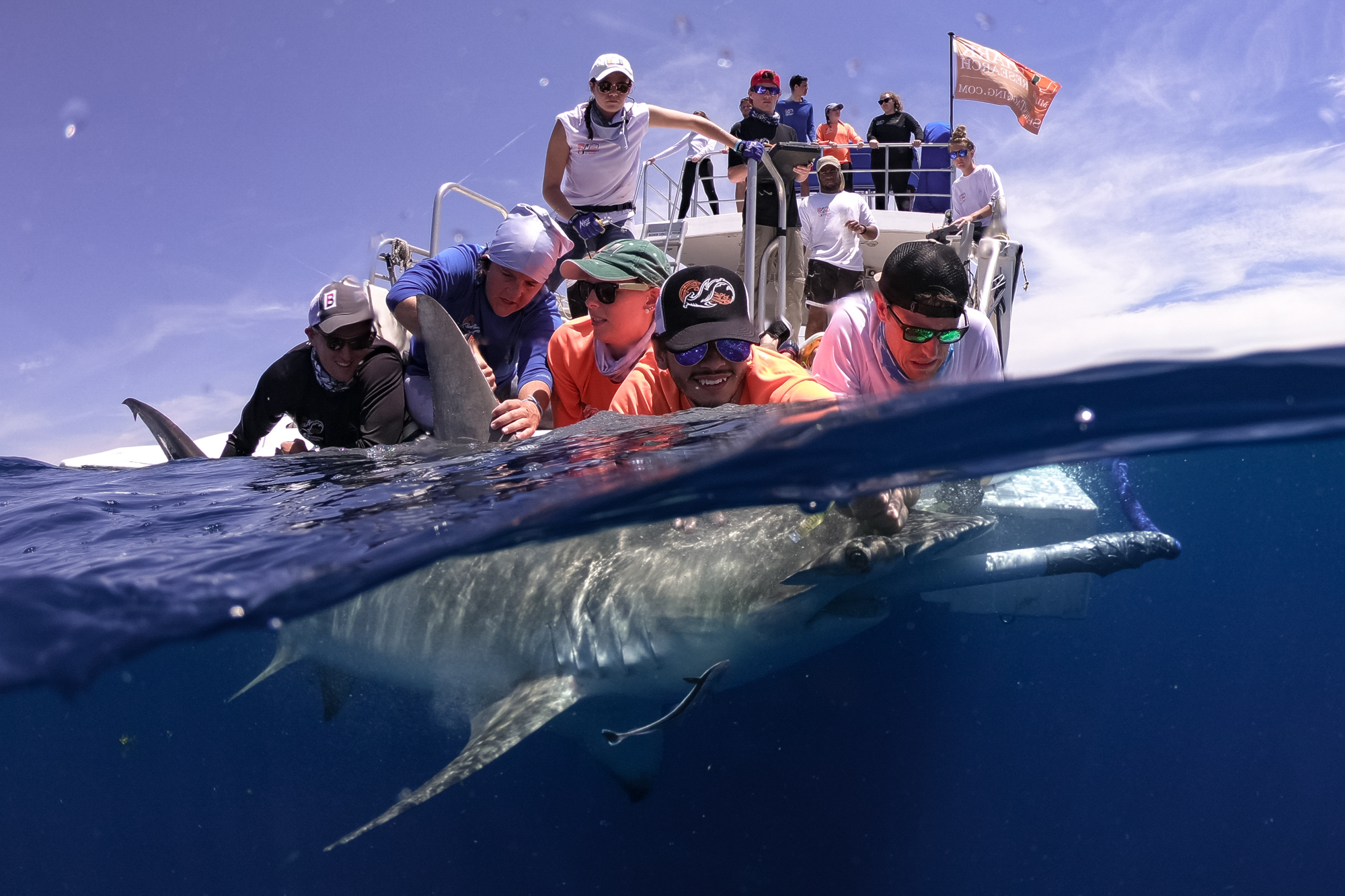
A multi-method research framework will be used to study how human-environment interactions related to marine resources are mediated by attitudes, evolved physiological reactions, and sociocultural constructs. The development and evaluation of an innovative marine conservation outreach program run through the University of Miami that focuses on field experiences for high school age students will be used as a case study. Utilizing participant observation, attitude surveys, and psychophysiological measurements of anxiety, the overarching goal is to determine the effectiveness of experiential education approaches toward conservation of fearsome, but threatened creatures, and how accounting for social, cultural, and psychological factors may enhance broader outreach efforts. Outreach will pertain specifically to marine apex predators, such as sharks and groupers, and their critical role in ecosystem health, and will focus on target demographics including high school students, and key stakeholders reliant on these species for economic use including fishermen and dive tourism operators. Research is informed by concepts from preparedness theory (Seligman, 1970), the conceptual model of learning (Falk & Dierking, 1992; 2000), and the theory of planned behavior (Ajzen, 1991) in order to create a hypothetical model of human-environment interactions around these resources. The findings from these studies will shed light on the impact of social perceptions, context, and psychophysiology on environmental education and attitude development.
Figure (Below): Hypothetical conceptual model for the relationship between environmental risks and decision making as mediated by cognitive/affective processes and sociocultural factors.
Groundwork
Culture and Education
The conceptual model of learning (CML) (Falk & Dierking, 1992; 2000), provides a broad framework for analyzing the wide set of variables which influence learning in less formal settings (such as museum visits or field trips). CML highlights personal, sociocultural, and physical variables that influence what and how much information is absorbed by the learner. Of particular interest here is the emphasis on the importance of the context of learning and the need to augment more traditional forms of education evaluation (i.e., surveys) with more in depth ethnographic methodologies (including observation, interviews, and focus groups) (Phipps, 2010). Littledyke (2008) explores the concept of bridging “cognitive” and “affective” learning styles in science education, arguing that learning about the environment will not have the desired outcomes if relevant emotional connections and meanings are not drawn out in the process. Such meaning would be highly context and culture dependent. Methodologies drawn from CML and traditional evaluation, when applied to this problem, could help determine what emotions are being elicited during the learning process and how this impacts attitude development and knowledge retention.
Psychophysiology
There is still extensive debate over the relationship between “cognition” and “emotion” in the brain, including their definition, interaction, and impact on behavior. Though initial fMRI studies showed evidence of relative localization (i.e., Armony & Dolan, 2002), further study has shown that these brain regions are not easily bounded and that there is a great deal of interaction and overlap between “cognitive” and “affective” responses (see Pessoa, 2008). Of particular interest here is the interaction between the amygdala, known particularly for fear response (Aggleton, 2000), the amygdala is also associated with traditionally considered “cognitive” processes such as attention and associative learning (Holland & Gallagher, 1999). It would seem that fear responses heighten attention more than other emotions, leading to strengthened associative learning. Preparedness theory contends that people are predisposed to learn fear and avoidance more quickly for stimuli that would have threatened fitness in the evolutionary past (Seligman, 1970). This predisposed fear is proposed as an explanation for the disproportionate number of phobias associated with animals that would have been a threat to our evolutionary ancestors (i.e., snakes, spiders, and arguably sharks), in contrast to more modern threats (i.e., toasters, vending machines). It is proposed that predatory animals fall somewhere on the continuum between taste-aversion (one-exposure learning) and learned association (acquired over longer intervals), requiring relatively little stimulus exposure to form a robust association. Preparedness theory has been tested for particular predatory stimuli including snakes (Ohman, 2009). This also lends to a strong role for social learning, or learning by observing others, (Bandura, 1978) so that a direct negative exposure to a predator is not required to create a strong fear-avoidance response. Of particular interest for future research on the impact of direct positive exposure to sharks is the robustness of these learned associations even in the extinction phase of conditioned-stimulus-response studies. In other words, these associations are very difficult to get rid of, even in the face of contradicting information and experience (Ohman, 2009).
Attitude formation, emotion, and behavior
The various relationships between emotion, attitude, and behavior are not well understood. Some researchers have conceived of emotion as an antecedent to attitude development (Zanna & Rempel, 1982), in which simple pleasant or unpleasant experiences of a stimulus will later shape one’s conception and attitude toward it. The well-established theory of planned behavior (Ajzen, 1991) links attitude, along with subjective social norms and perceived control, with behavioral intention and action. Possibly more importantly, the theory of planned behavior contends that attitudes, reports of behavioral intention, and actual behavior are positively correlated. Such a correlation is also predicted by other attitude theories including the theory of reasoned action (Fishbein & Ajzen, 1975) and the transtheoretical model of behavior (Prochaska et al., 1994). Finally, emotion is linked more directly to behavior through the idea of heightened motivation (Tomkins, 1970). The relative role of each of these in conceptions of, reactions to, and attitudes toward sharks can be explored through the impact of direct exposure to sharks and shark education.
Methodology
Questionnaire surveys will be used to establish baselines for attitudes held toward marine predators before and after students have participated in outreach activities- either through in classroom education talks or hands on experiences in the field. Some participants will also participate in a psychophysiology study, where anxiety levels are measured as they watch video footage of sharks, before and after exposure to outreach.
In depth focus groups and survey work will also help to determine how participants and the general public construct ocean spaces, what roles they view marine predators as having, and how they perceive sharks’ “natural” behavior.
“ learning about the environment will not have the desired outcomes if relevant emotional connections and meanings are not drawn out in the process ” — Dr. M. Littledyke (2008)
RJD – In Focus
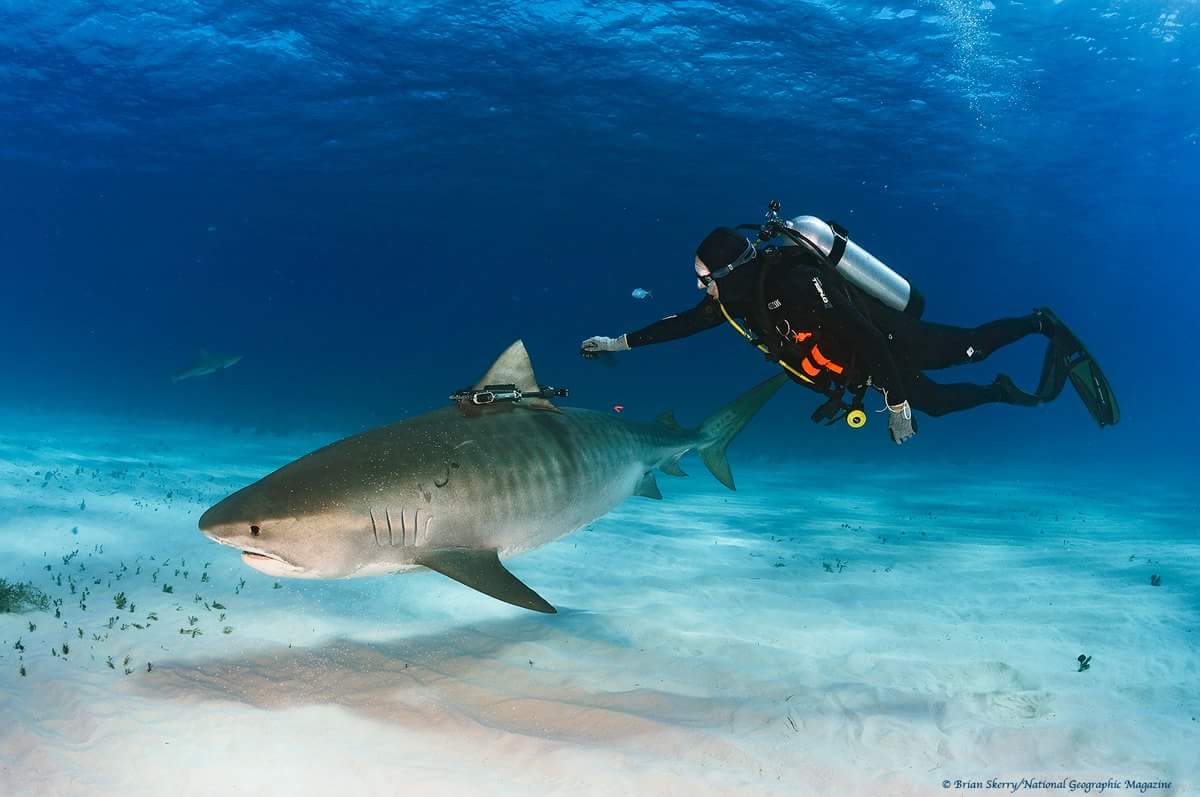
“ The relative role of [emotion, attitude, and behavior] in conceptions of, reactions to, and attitudes toward sharks can be explored through the impact of direct exposure to sharks and shark education. ”
Investigators
Project Lead:
• Julia Wester
Co-investigators & Collaborators:
• Dr. K Broad
• Dr. N Hammerschlag