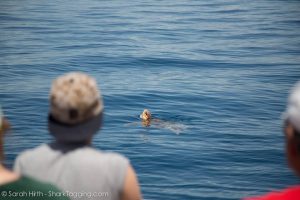
Shark tagging with Firebrand Events
By Julia Whidden, SRC Intern
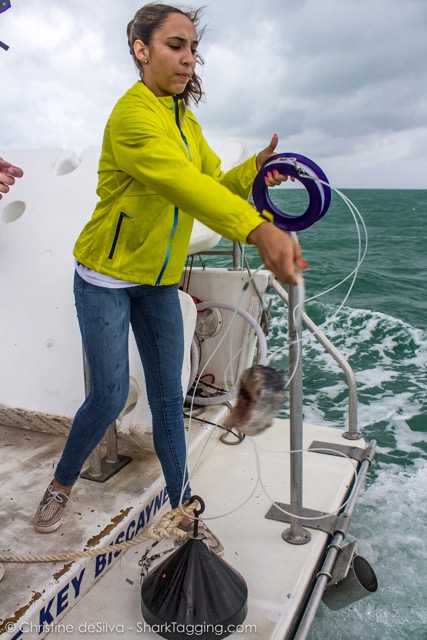
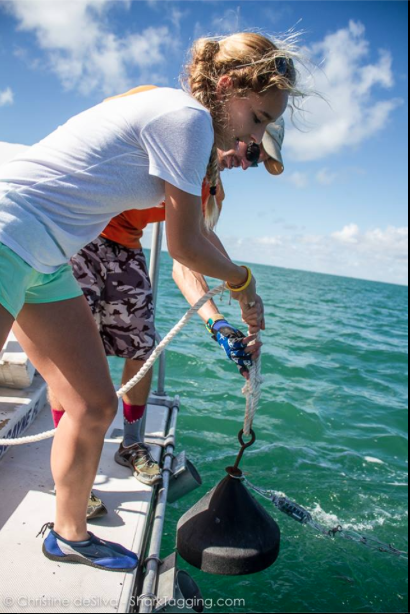
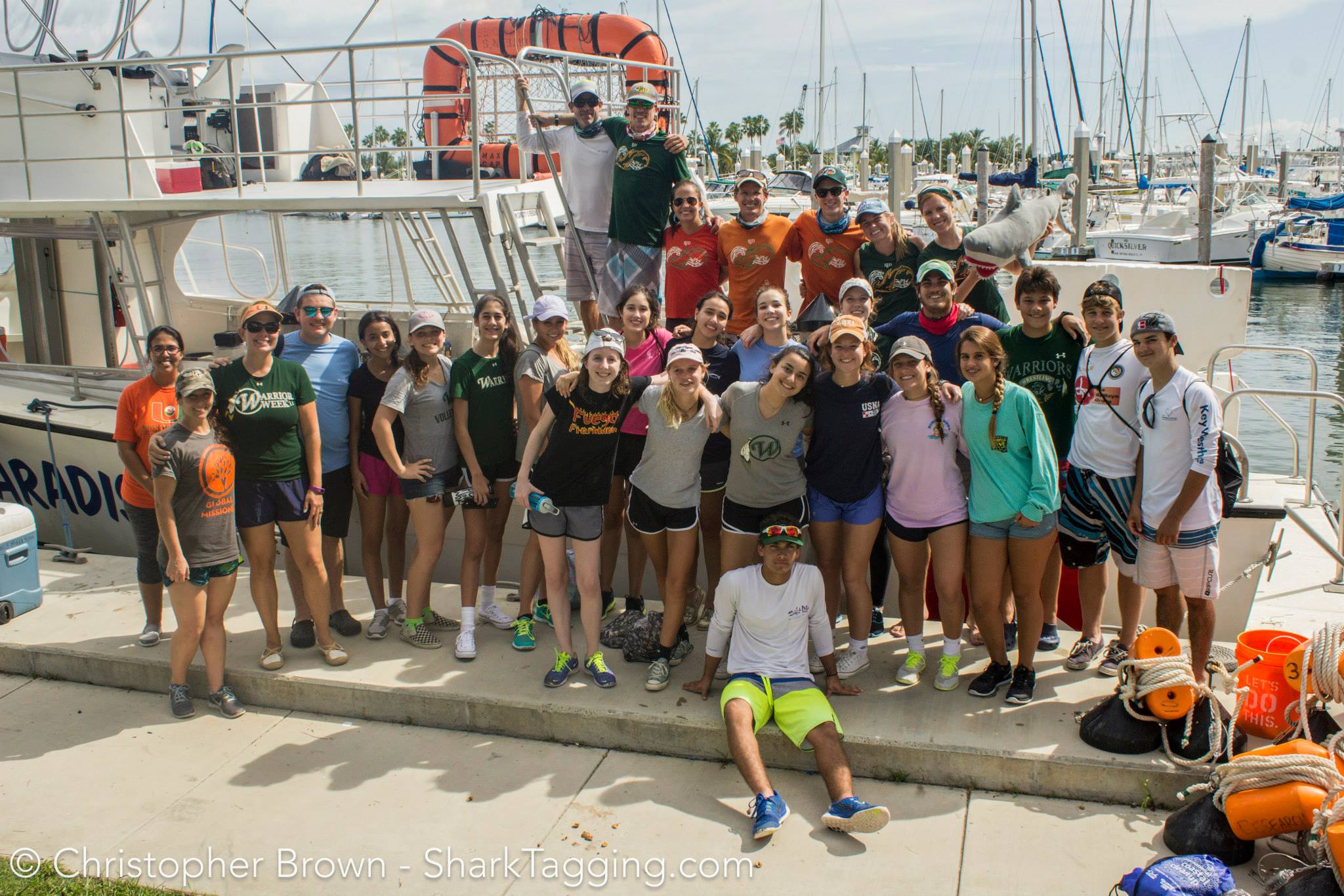
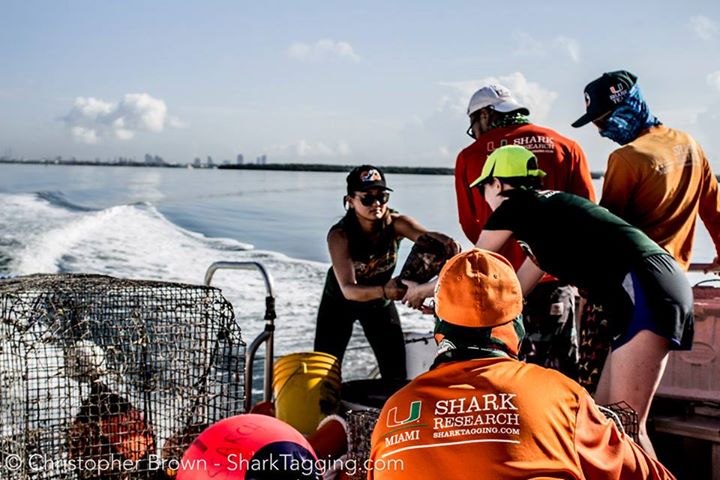
On Monday, March 14th, the SRC Crew went to sea with assistance from Firebrand events. We fished the shallow waters (~ 10 feet deep) of Safety Valve, an area of sand flats and tidal channels that connect Biscayne Bay to the Atlantic Ocean. Research dates the formation of this bay to between 5,000 and 2,400 years ago, while it was only “discovered” to European forces by the Spanish explorer Juan Ponce de Léon in 1513. It was around this time that explorers and fishers of the sea began to record their varied superstitions. Their expeditions were plagued by many sources, including – but not limited to: garlic, actual plagues, the number 13, and bananas.
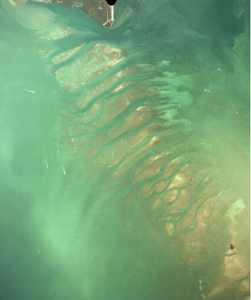
An aerial photo of Safety Valve, the region of shallow sand flats and tidal channels that delimit the entrance of the Atlantic Ocean to Biscayne Bay. The SRC team fishes this spot often.
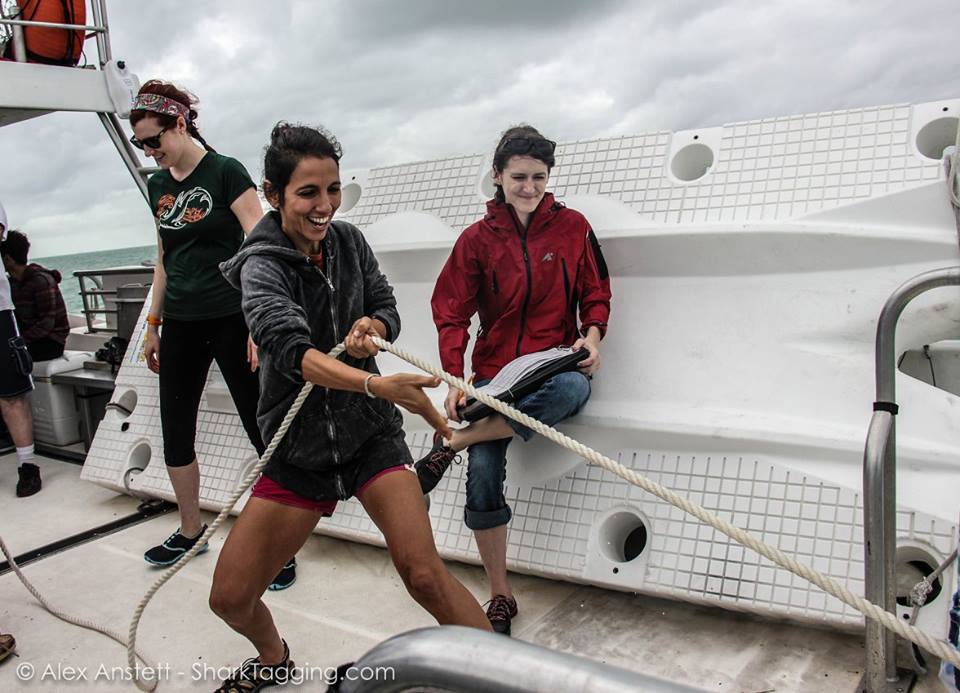
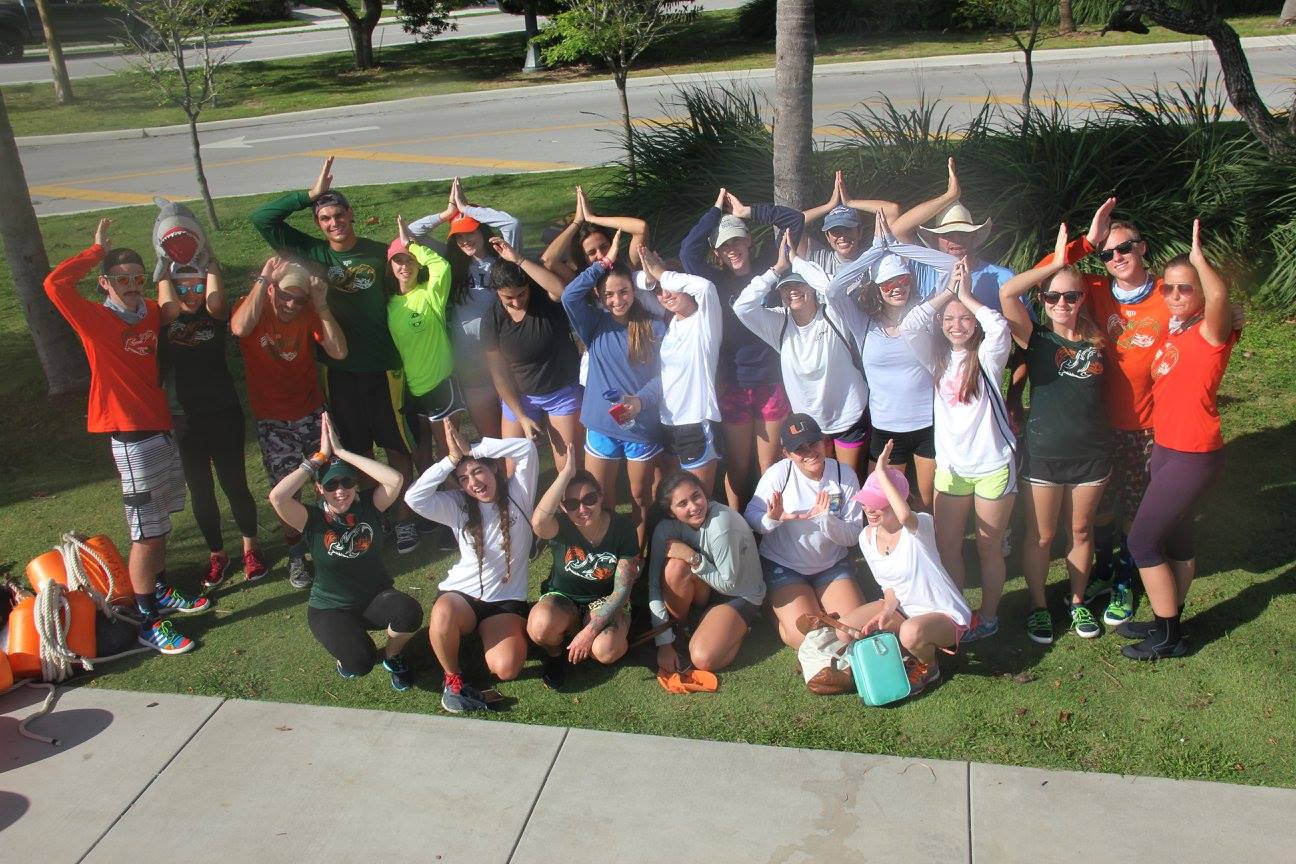
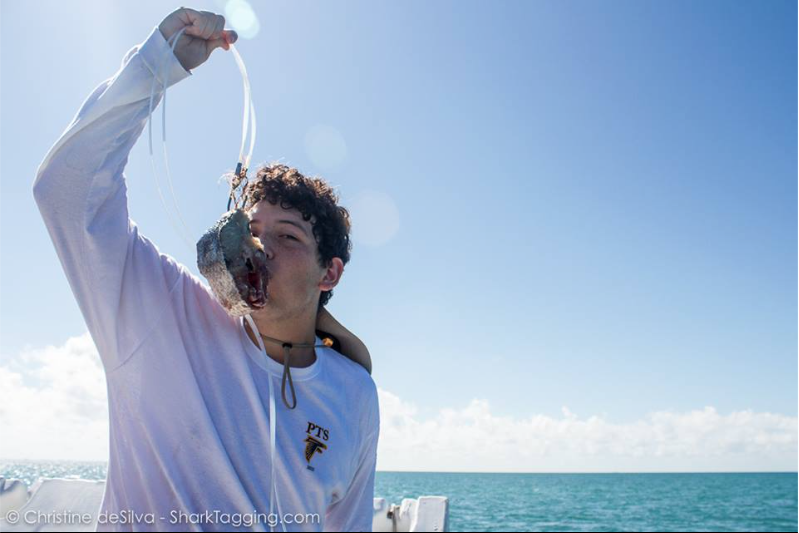
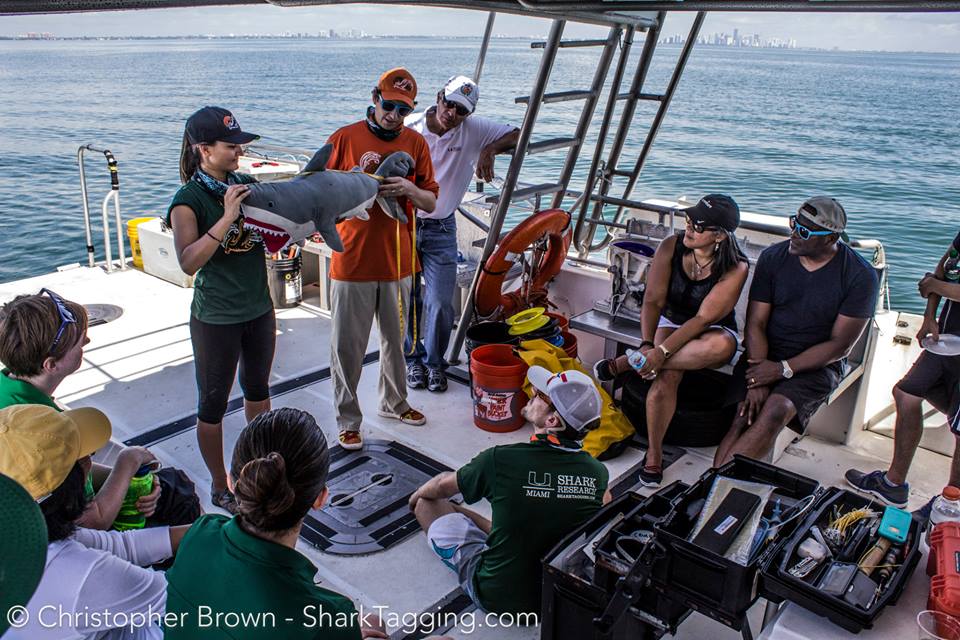
While the choppy water kept us from the high seas, and our fishing was for research purposes and not sustenance, we managed to fall victim to the old sailor’s curse of the bananas. Believe it or not, SRC and Diver’s Paradise boat Captains strictly enforce the “NO BANANAS” rule. Not only are they forbidden in the contract that our passengers sign, but even mention of them by SRC grad student and banana-enthusiast Pat Goebel is usually enough to get the team riled up. On this fateful Monday, SRC crew discovered – after pulling up the first set of 10 lines empty – that each of the nearly 20 Firebrand passengers had been packed lunches with… (cue dramatic music)… bananas. Diver’s Paradise Captain Eric Cartaya took matters into his own hands and collected the remaining evil fruit from a very confused set of passengers. The bananas were piled on the bait-cutting table, smashed to bits, and swiftly tossed out to sea. The passengers remained confused. After explaining to them some of the varied and nonsensical origin stories of the banana curse, we had made it back to buoy 1 of the second set of lines.
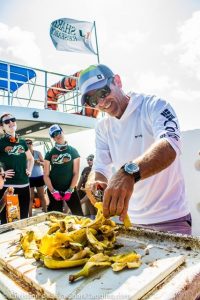
Diver’s Paradise Captain Eric Cartaya rids our boat of the evil bananas.
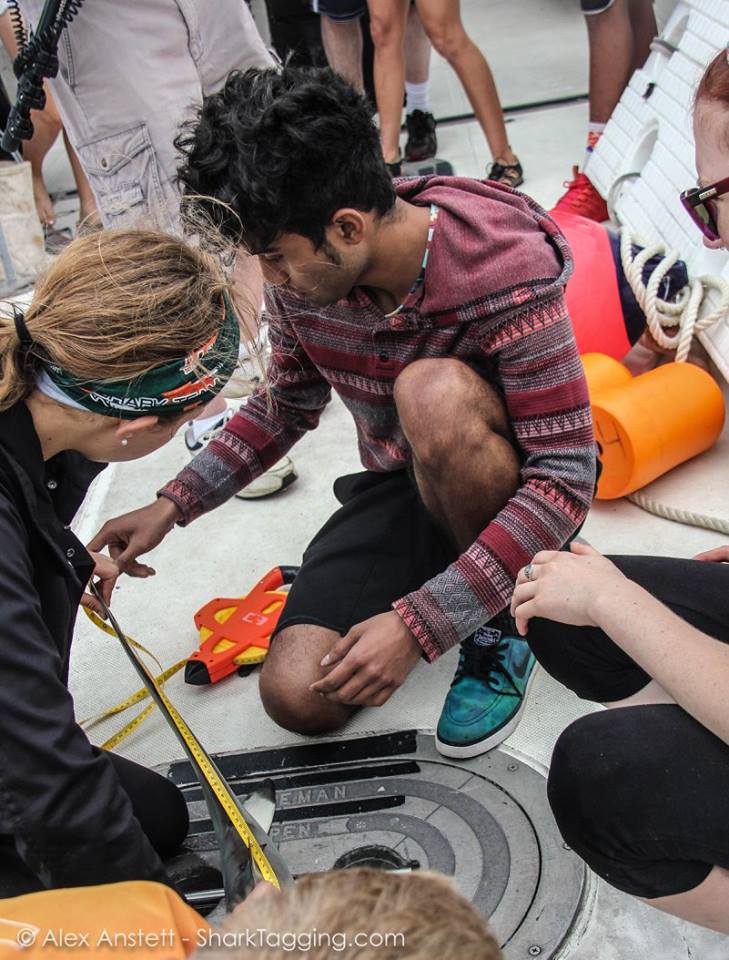
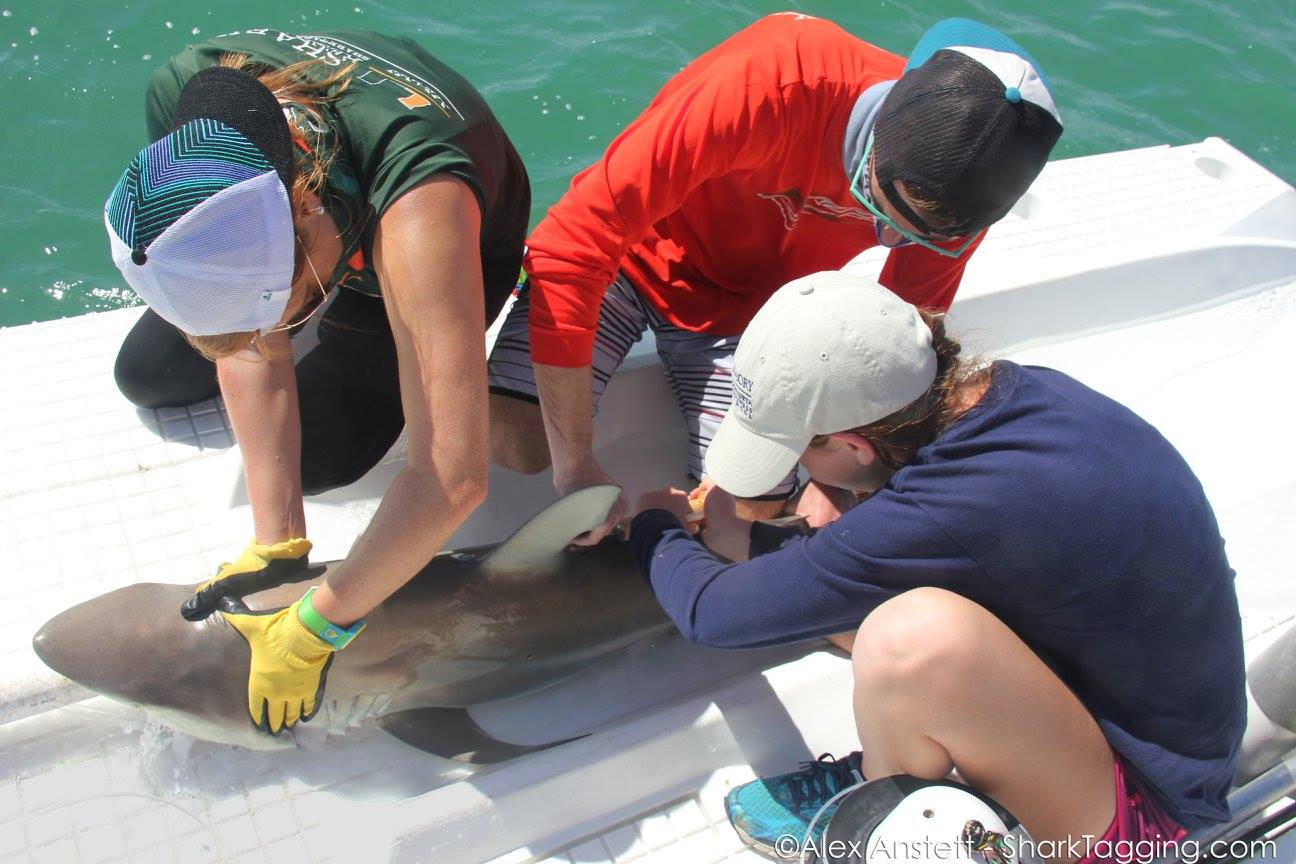
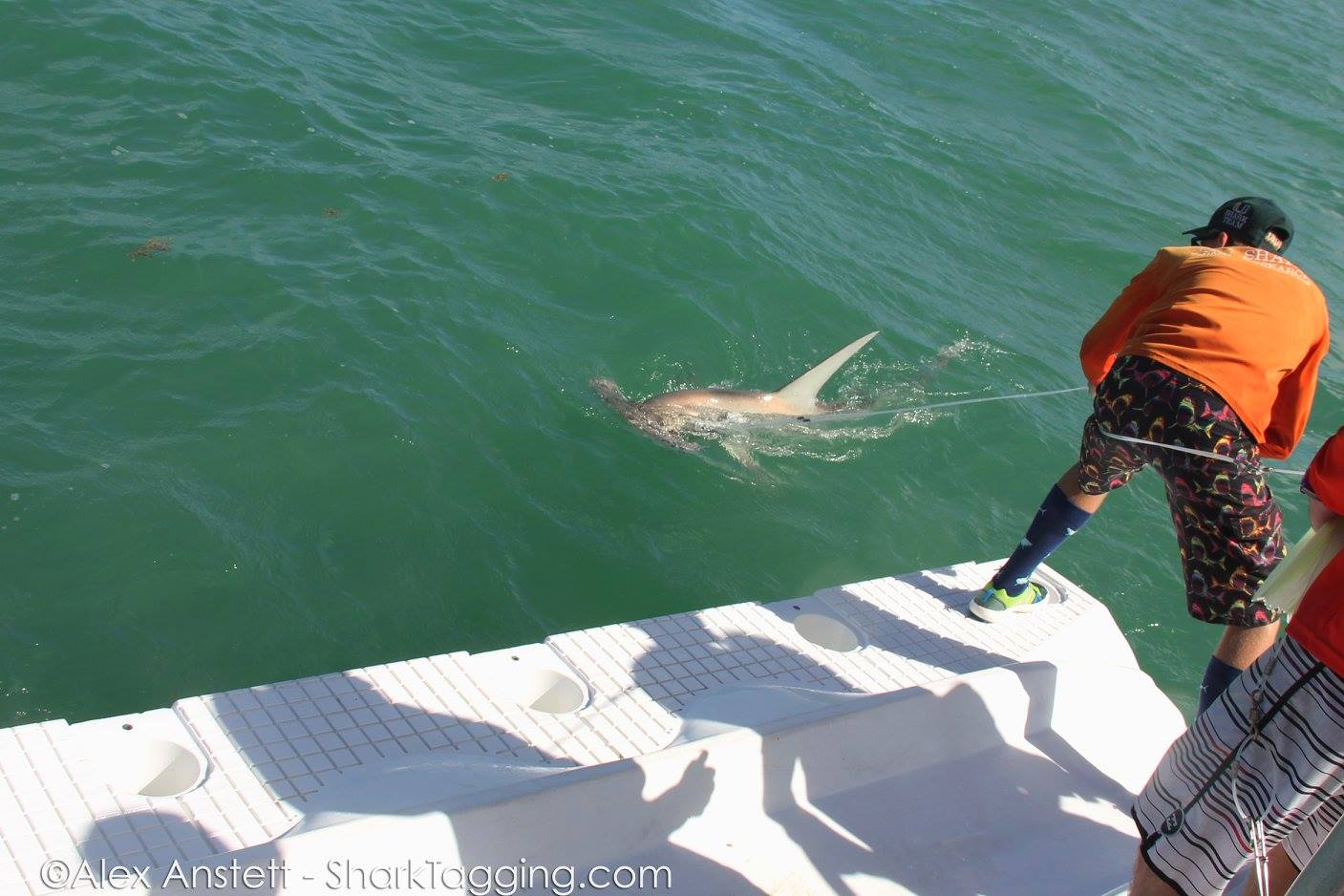
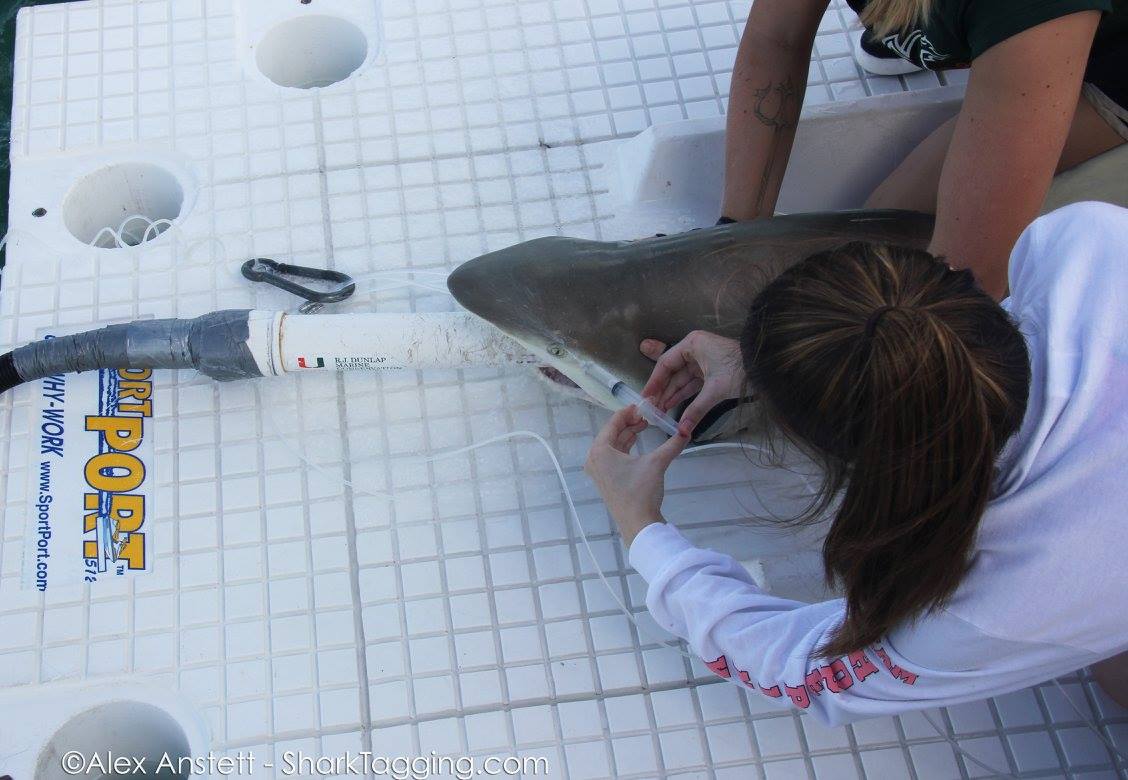
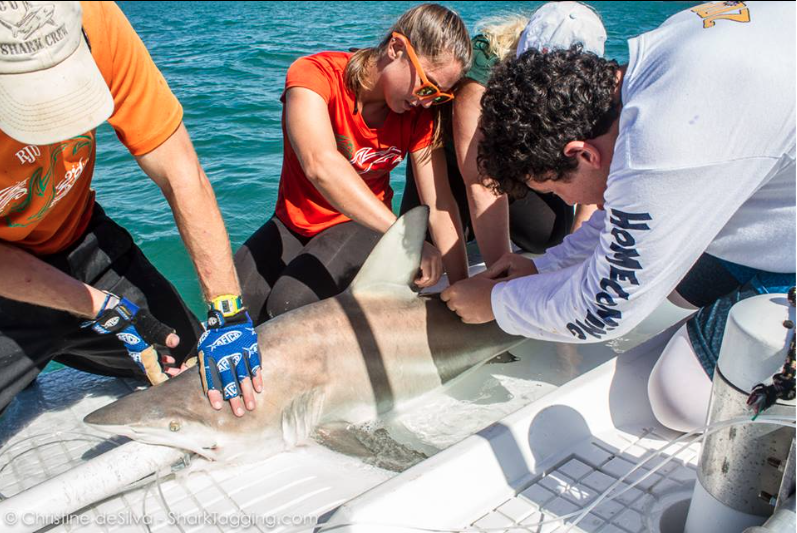
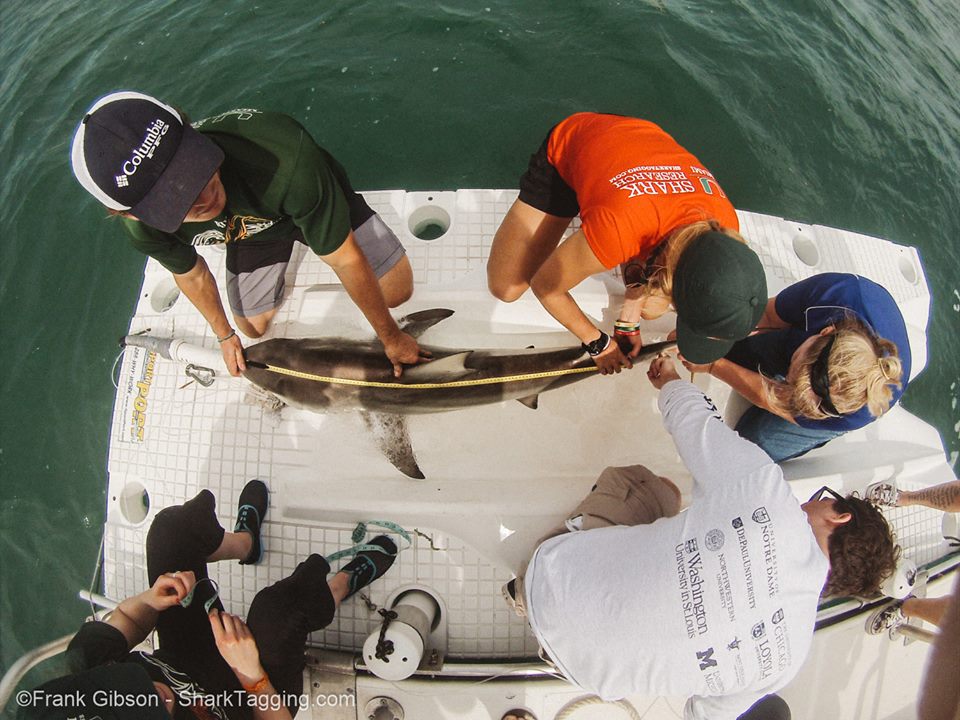
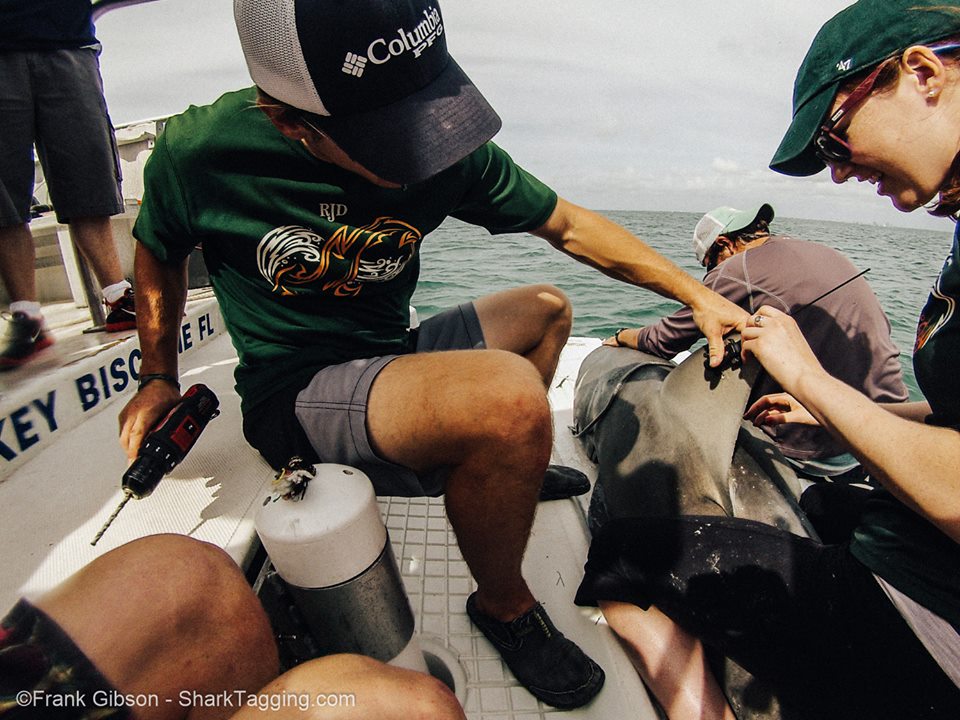
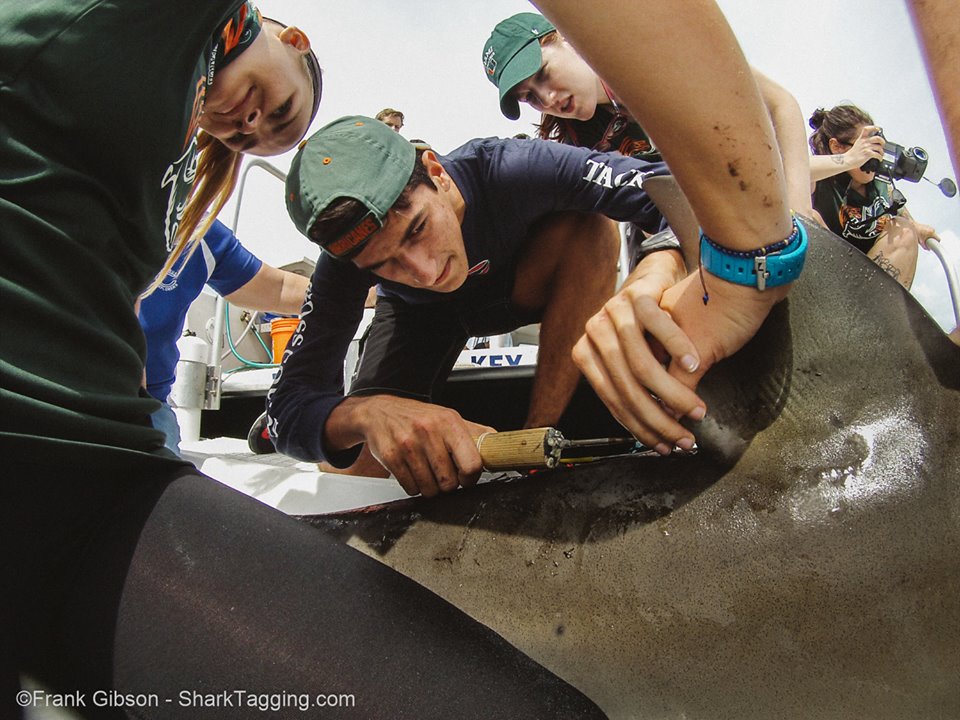
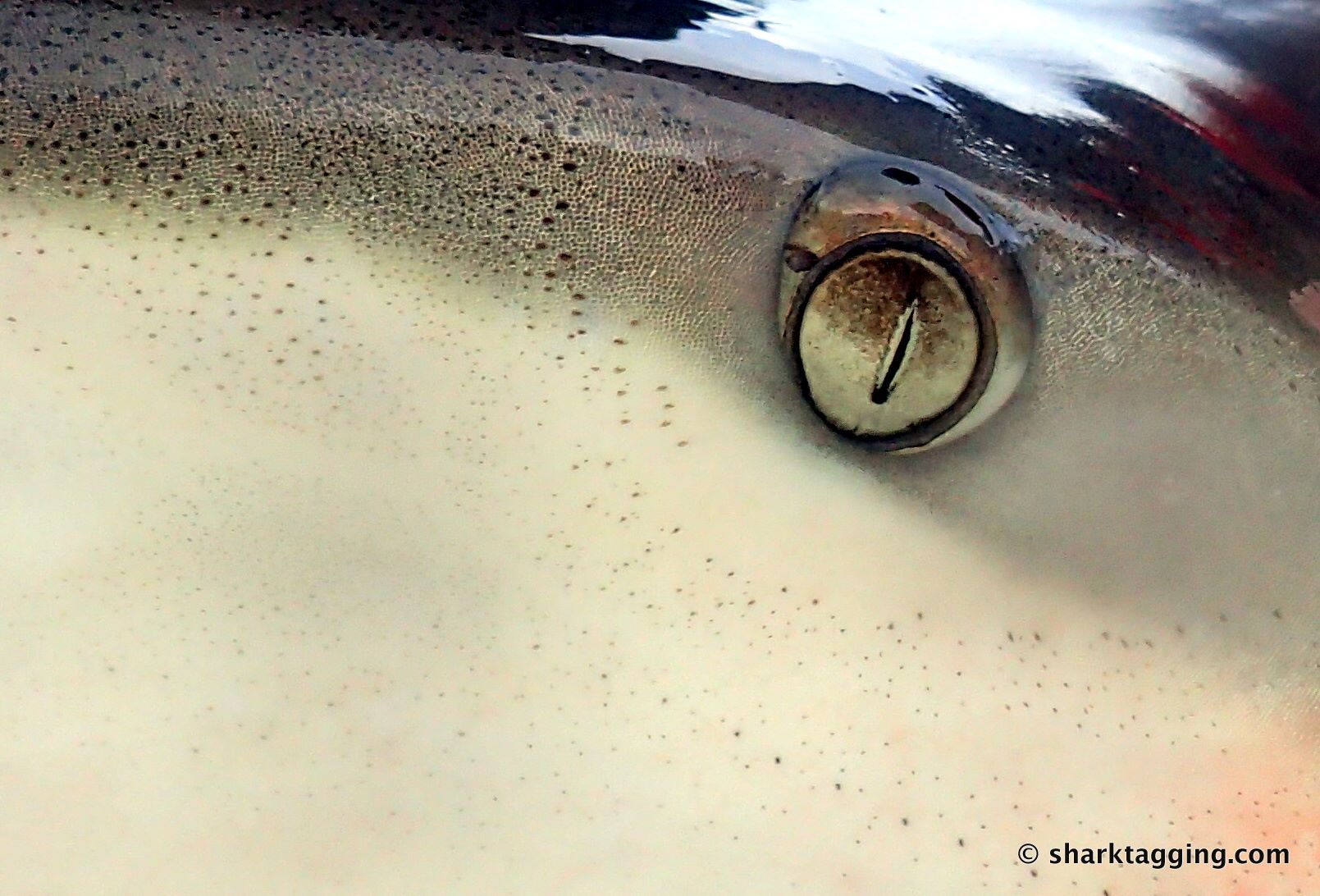
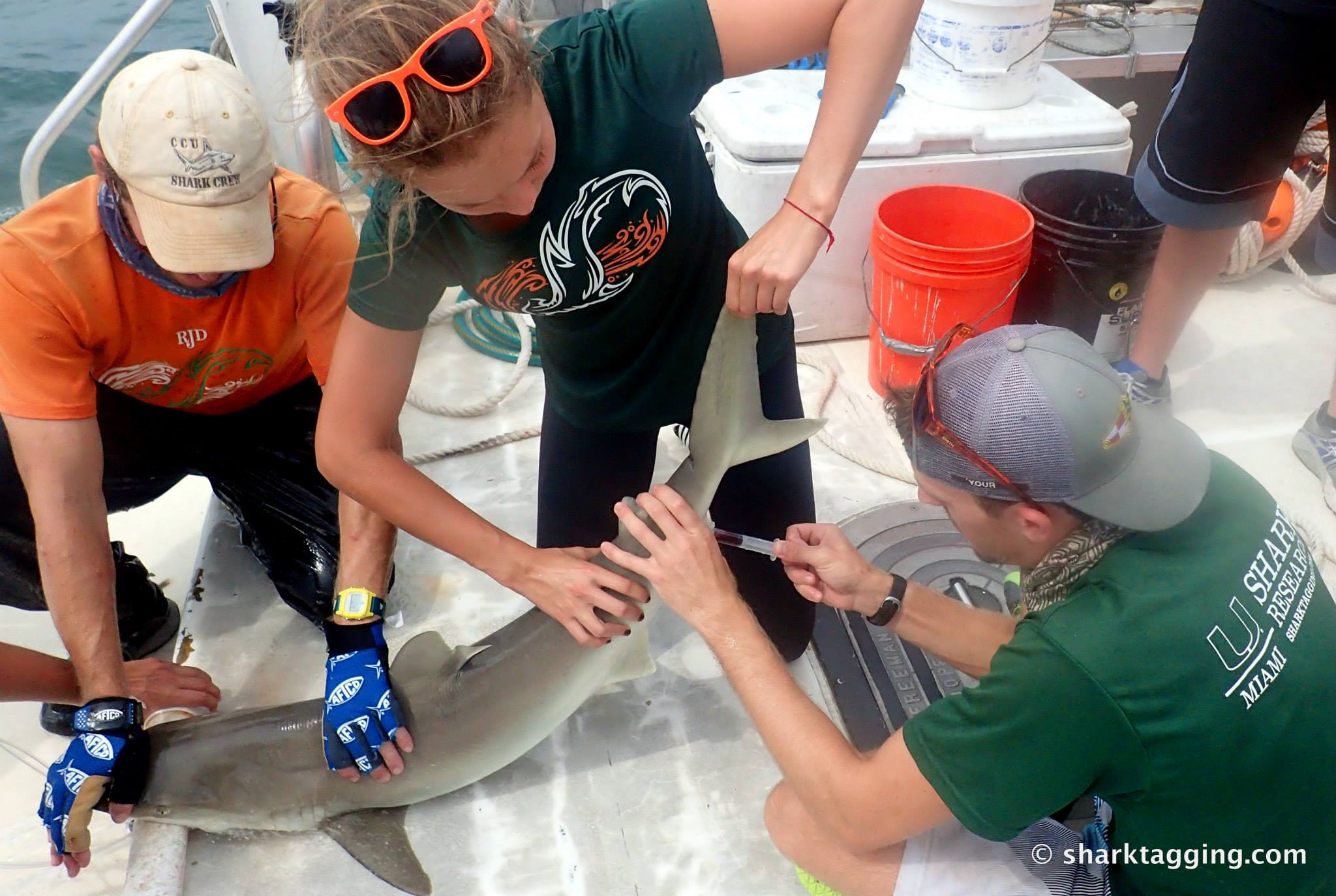
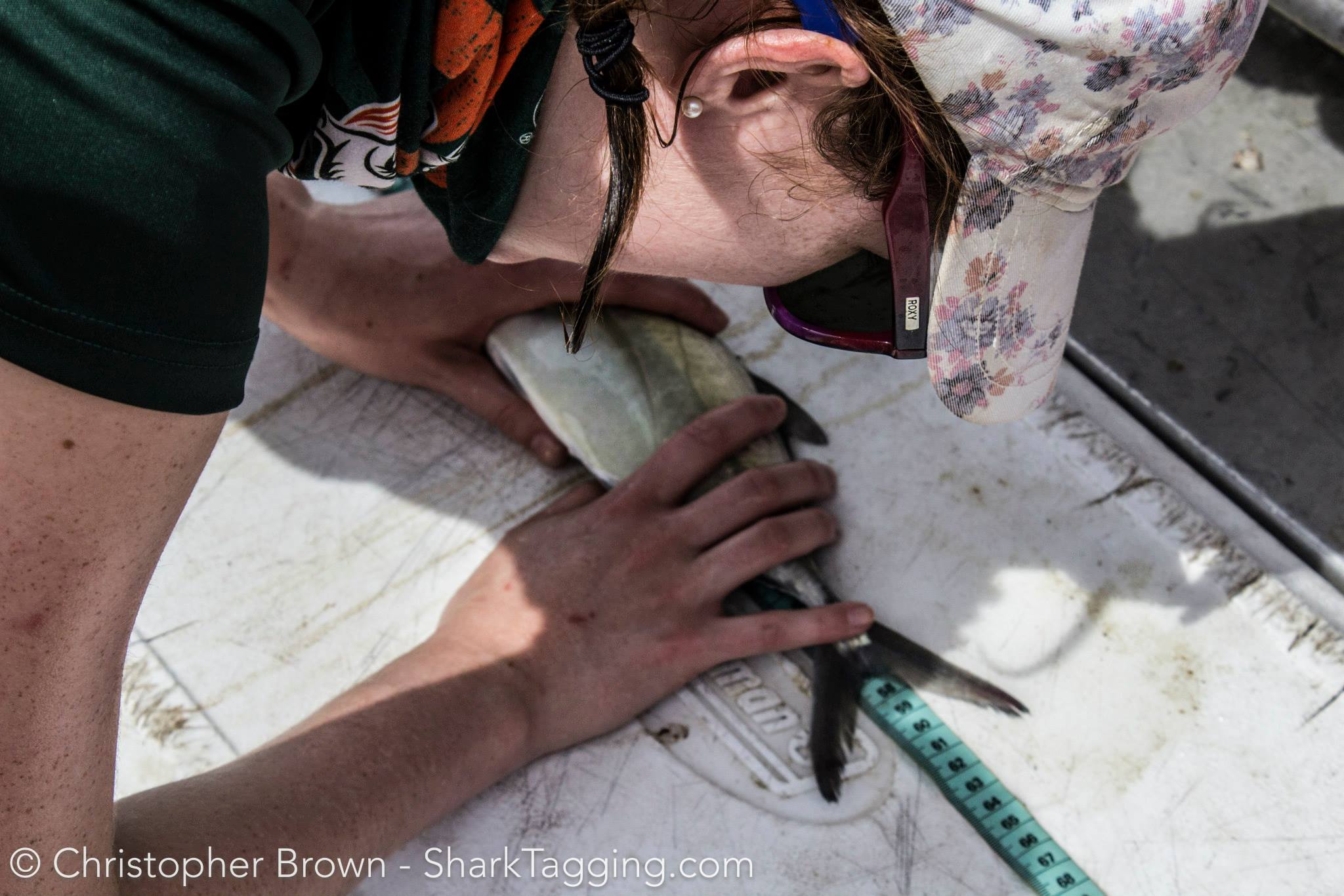
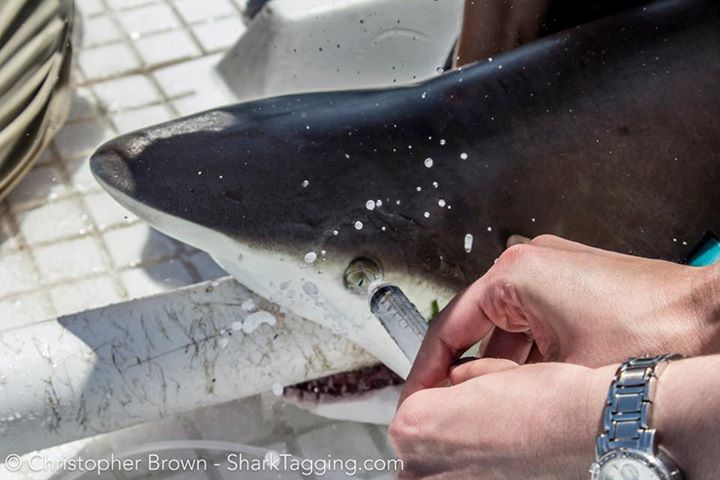
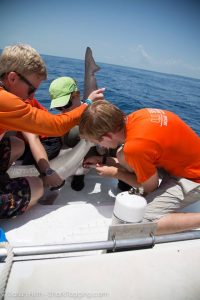
Lo and behold, our luck changed and we caught a 1.52 m blacktip shark! This male blacktip was very freshly caught, having only been on the line for 8 minutes. We conducted a full work-up with assistance from our Firebrand crew, including measuring, tagging, fin clipping, and reflex testing. After releasing this blacktip in great condition, we sped off towards our next buoy.
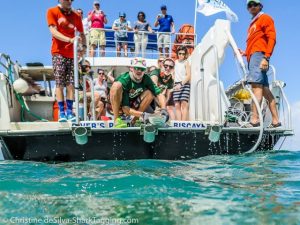
SRC crew Robbie Roemer and Julia Whidden release our first catch of the day, a male blacktip shark.
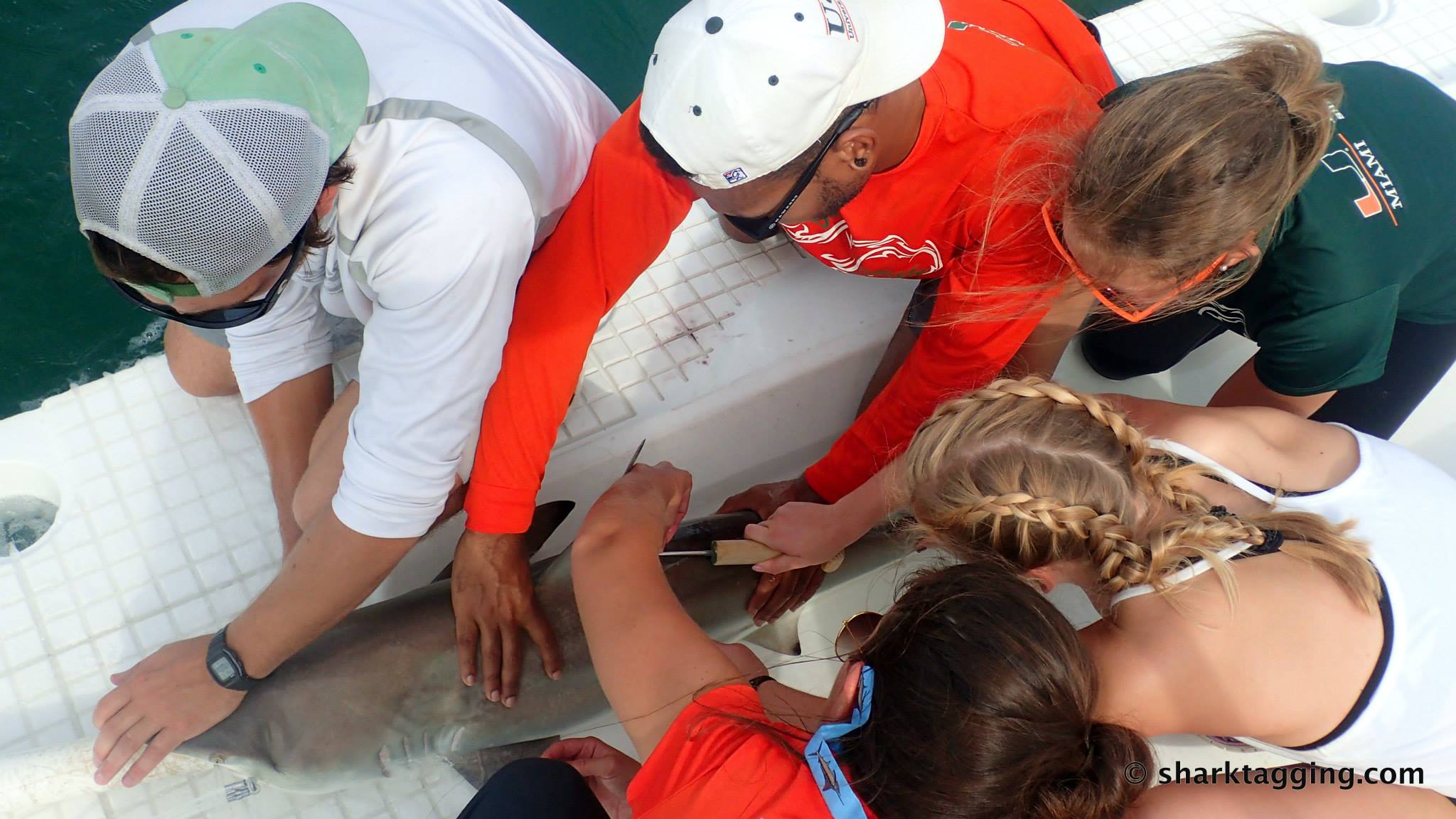
We pulled up another 8 empty lines before feeling any tension on our last line of the second set. This time, we had caught a 2.3 m male nurse shark. The most interesting characteristic of this male nurse was its recently mated claspers. Claspers are the external sexual organs of male elasmobranchs (sharks, skates and rays), and have friendly features such as hooks and barbs that are used to hold onto the female during copulation. Males may only copulate successfully with a female once it has reached sexual maturity, which is physically manifested as fully calcified (hardened) claspers. In male nurse sharks, sexual maturity is reached when the total body length is around 2.1 m. This male nurse shark that we processed showed signs of having recently copulated, which appear as fresh mating scars on the male’s claspers. This type of sexual maturity data is useful in identifying the breeding requirements, including seasonality and habitat preferences, of local shark populations. After finishing the workup, the SRC team released the nurse shark in great condition.
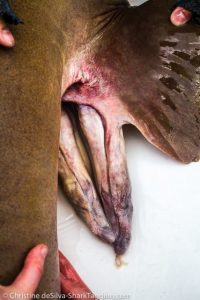
The mating scars seen on our second catch of the day, a male nurse shark.
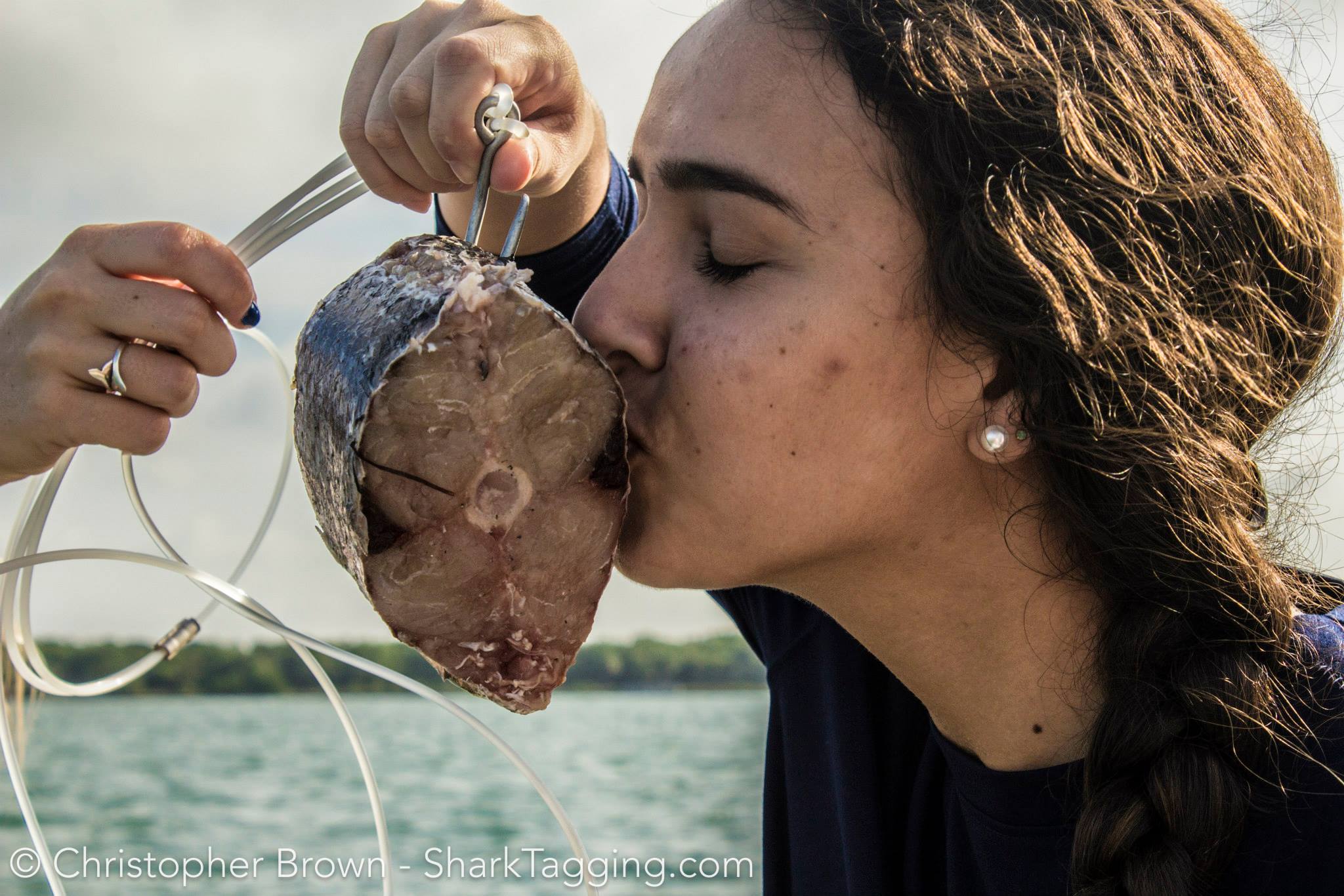
Our final 10 lines of the day proved fruitless, but the SRC crew and Firebrand passengers felt lucky to have caught even 2 sharks considering the bad luck that started their day. While it’s difficult to know precisely which life lessons were learned by passengers and crew of the boat, ie. don’t get between a boat Captain and a banana, I personally took this opportunity to learn “The Bananas Aboard Repentance Prayer,” in case I ever need to appeel to the shark gods again.
The Bananas Aboard Repentance Prayer
Oh great Konpira
please, hear my plea
I am sorry for my mistake
A banana I brought to sea
it was an honest gesture
a noble means of nutrition
I had no ill intent
I brought fruit of my own volition
Please forgive my idiocy
I meant my friends no harm
We just want to go fishing
and go home with a sore arm
We beg of you to release the curse
upon which I have brought
In your honor I consume these bananas
a sacrifice all for nought!
Sources:
http://miamifishing.com/bananas-and-fishing-boats
http://www.discoverbiscaynebay.org/history-and-ecology.htm
https://upload.wikimedia.org/wikipedia/commons/6/6f/Biscayne_Bay_Safety_Valve.png